
Cebu is one of the historic heartlands of the Philippines’ early encounters with Europe and the birthplace of some of the country’s most enduring religious traditions. At the same time, it is a fast-moving province with an expanding population, good air links, tourism offerings, and a center for business events.
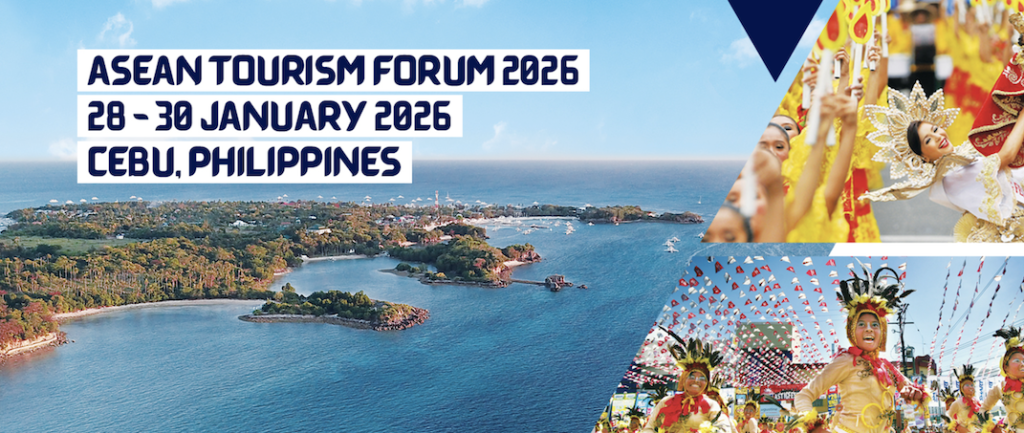
This month (28–30 January 2026), Mactan, Cebu prepares to welcome international and regional tourism stakeholders for TRAVEX at ASEAN Tourism Forum (ATF) 20262. www.atfphilippines.com

Not one destination, but many
People often use “Cebu” as shorthand for a single place. In reality, Cebu is a province made up of 44 municipalities and six component cities, while Cebu City, Lapu-Lapu, and Mandaue operate as highly urbanized, administratively independent cities that still shape the wider Cebu story.
Beyond the main island of Cebu, the province includes 167 surrounding islands and islets, from well-known names like Mactan, Bantayan, Malapascua, and the Camotes Islands to smaller outcrops that support fishing communities and beach escapes.
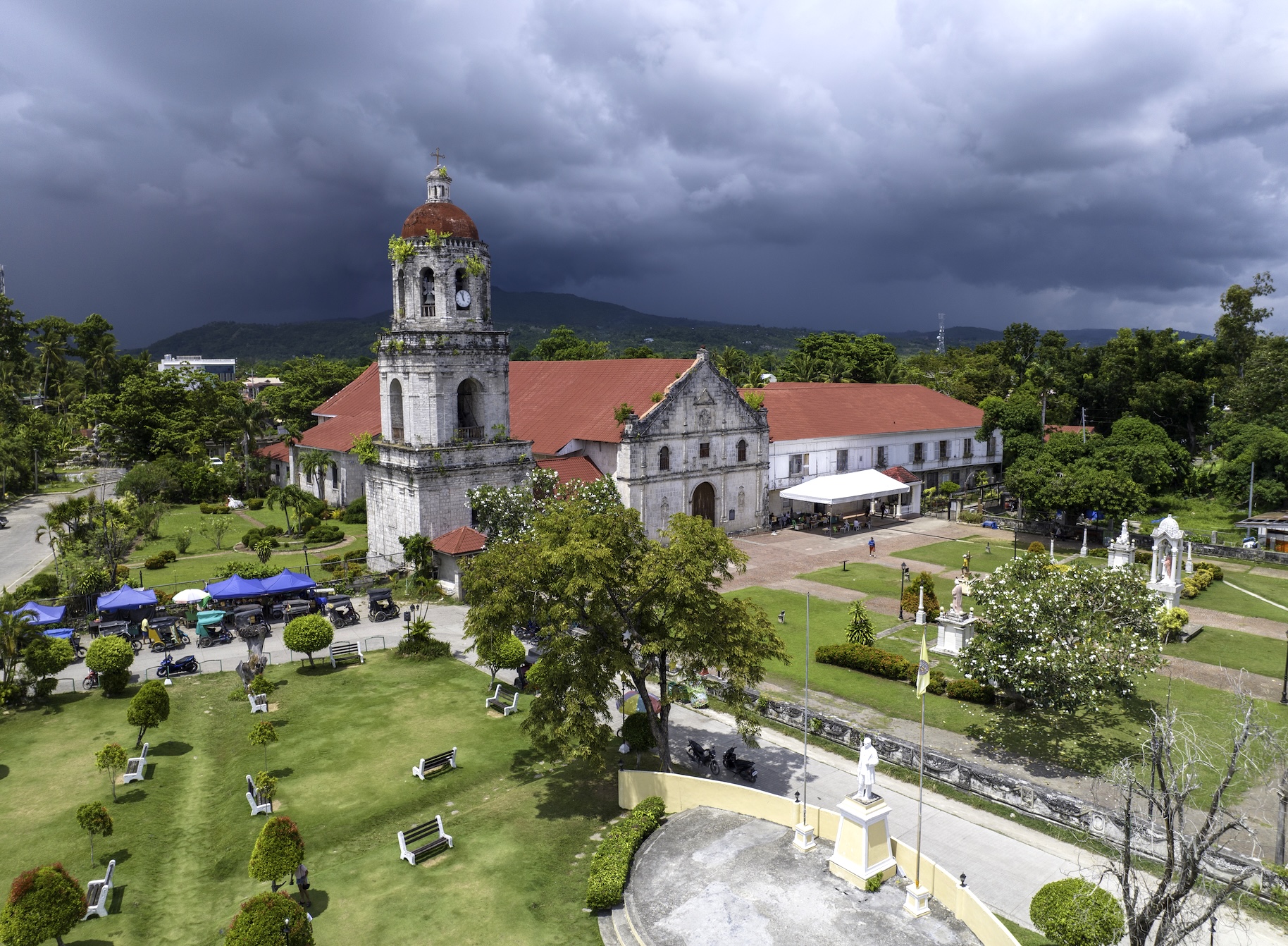
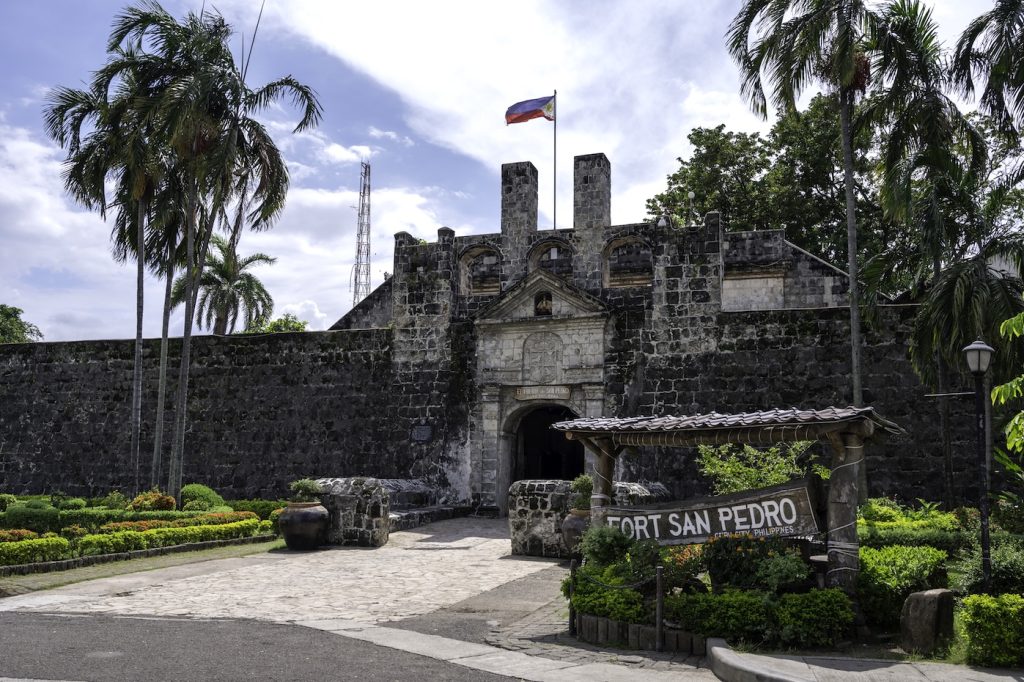
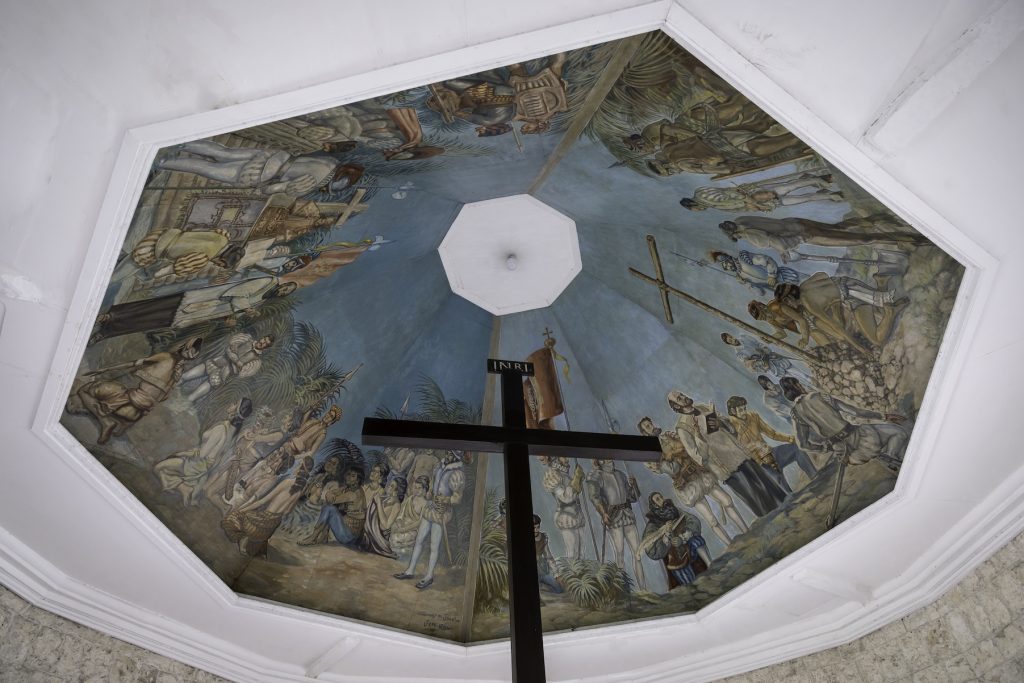
Cebu’s heritage anchors many first-time visits. At the center of Cebu City, Magellan’s Cross remains one of the country’s most symbolic landmarks, tied to the arrival of Ferdinand Magellan’s expedition and the early spread of Christianity in the archipelago.
Just steps away, the Basilica Minore del Santo Niño de Cebu stands as a cornerstone of faith and identity. The basilica’s official account positions it as home to the original and oldest religious relic in the Philippines honoring the Holy Child Jesus, and it remains inseparable from Cebu’s religious calendar and pilgrim routes.

Cebu does not keep its culture behind museum walls. It performs it—often, loudly, and with conviction. The headline event is Sinulog, held in Cebu City and widely recognized as a major religious and cultural celebration in honor of the Santo Niño, traditionally observed on the third Sunday of January.
Elsewhere, towns and cities mark their own identities through local festivals. Cebu Province itself highlights a deep calendar of community celebrations—among them Kadaugan sa Mactan (linked to the Battle of Mactan), Kabkaban Festival, Siloy Festival, and Utanon Festival—as part of what it calls its wider festival culture across the province.
Nature’s playground: beaches, mountains, and 167 island stories
If Cebu’s history draws you in, its landscapes persuade you to stay longer. The province frames itself as a destination where islands, peaks, waterfalls, and heritage towns sit side by side—so a single trip can mix city energy with quiet coastline and upland escapes.
Up north, Bantayan Island sells a different tempo: long white beaches, clear shallows, and a slow rhythm that suits travellers who want uncomplicated island time.
To the east, the Camotes Islands offer caves, beaches, and inland scenery such as Lake Danao, often packaged into short island-hopping breaks from Cebu’s main transport hubs. Wikipedia+1
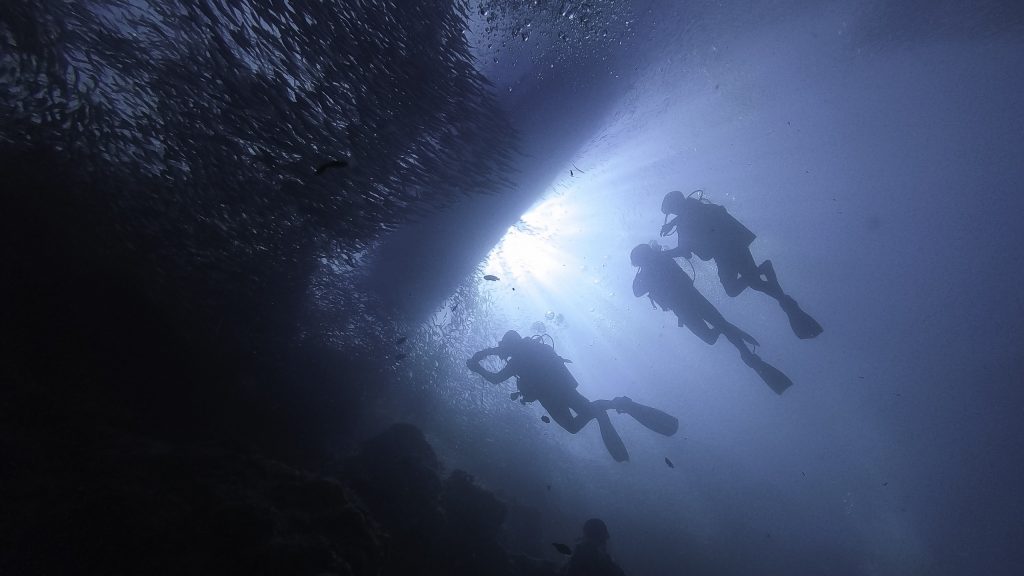
Underwater, Cebu has built a strong reputation with divers and snorkellers. Malapascua is widely associated with thresher shark encounters, while Moalboal draws travellers for its famous sardine run, often described as an accessible, near-shore spectacle that can be seen year-round. Thresher Shark Divers+1
Metro Cebu: heritage icons and modern-day pulse
Cebu’s countryside and islands get the postcards, but Metro Cebu does much of the heavy lifting for first impressions. Here, landmark sites such as Magellan’s Cross and the Santo Niño Basilica sit within a working city that blends commerce, food culture, and everyday Cebuano life.
This is also where Cebu’s connectivity becomes obvious. Mactan–Cebu International Airport (MCIA) positions Cebu as a major gateway for the Visayas and beyond. In 2024, MCIA recorded 11.32 million passengers, underlining the province’s capacity to host both leisure flows and large-scale events.
Tourism growth, but with real infrastructure behind it
Cebu’s tourism story is not just about attractions; it is also about movement—how easily travellers can arrive, transfer, and explore.
- MCIA’s scale and growth continue to strengthen Cebu’s role as a national hub.
- On the urban mobility side, the Cebu Bus Rapid Transit (BRT) Project remains a major initiative. World Bank project reporting sets the project’s timeline to a late-2026 closing date (with documentation reflecting revisions and extensions), which signals ongoing work rather than a finished system today.
For the travel trade, these details matter. They shape what delegates can realistically cover in a short stay—and how confidently planners can build itineraries that go beyond a single district.
Why Cebu keeps winning attention
Cebu’s advantage is not one headline attraction. It is the way the province layers experiences without forcing travellers to choose only one version of the Philippines.
You can start with stone-and-faith heritage in Cebu City, then shift to beach calm in Bantayan, caves and lake scenery in Camotes, or marine life encounters in Moalboal and Malapascua—before circling back to a city that supports serious MICE schedules and international arrivals.
With ATF/TRAVEX 2026 bringing regional focus to Mactan and Cebu in late January, the province is set to host not just meetings, but the conversations that shape how Southeast Asia sells itself to the world.
I
Here is a revised version with shorter sentences, clearer structure, and a clean editorial / visitor-info tone, while keeping everything practical and readable:
Visitor Essentials: Cebu Province, Philippines
Where you’ll land
Mactan–Cebu International Airport (CEB) is the main gateway. It is located on Mactan Island in Lapu-Lapu City.
Best base areas
- Cebu City: Best for heritage sights, dining, and shopping. It also offers the easiest access for day trips.
- Mactan Island: Home to beach resorts and close to the airport. Ideal for short stays and pre- or post-event downtime.
- Moalboal (south-west Cebu): Known for diving and the sardine run. It has a relaxed beach-town atmosphere.
- Malapascua (north): Focused on thresher shark diving. Best for travellers planning dedicated dive days.
Getting around
- Metro Cebu: Taxis and ride-hailing services are widely available. Allow extra time during rush hours.
- Inter-island and coastal travel: Buses and vans cover most routes. Ferries connect Cebu with nearby islands and ports. Schedules vary, so check close to departure.
- Day-trip planning: Distances appear short on maps. Traffic and mountain roads can slow travel.
Top first-time sights (easy add-ons)
- Magellan’s Cross and Basilica Minore del Santo Niño in Cebu City’s heritage district.
- Moalboal sardine run, accessible by snorkelling or diving.
- Bantayan Island, a classic beach escape in northern Cebu.
- Camotes Islands and Lake Danao, known for caves, viewpoints, and inland lake scenery.
When to go
January is a peak travel month. Sinulog festivities bring large crowds, higher hotel rates, and heavy traffic in Cebu City.
Smart travel tips
- Book accommodation and transfers early for late January travel.
- Allow buffer time for ferry connections and changing weather.
- If diving or snorkelling, pack reef-safe gear and confirm operator schedules in advance.
If you share your base (Cebu City or Mactan) and the number of free days around ATF/TRAVEX, I can map a focused two- or three-day add-on itinerary.