Spring in Marrakech widely regarded as the most captivating time to experience. As winter fades, the city emerges in a palette of warm light, fragrant blossoms and renewed energy, offering visitors a rich blend of tradition, contemporary culture and international events. From the labyrinthine alleys of the medina to the dramatic landscapes of the Atlas Mountains, Marrakech in spring presents a compelling narrative of Morocco’s evolving identity, where heritage and modernity coexist in striking harmony.
At the heart of this experience is Dar Darma, a 17th-century riad located within the historic medina. Known for its refined architecture and intimate atmosphere, the property offers a window into the city’s past while serving as a gateway to its most significant seasonal events. According to its concierge, spring in Marrakech is defined by a concept deeply rooted in Moroccan culture: “bahja,” or the joy of living, a sentiment that resonates across festivals, markets and daily life.
More information about the riad can be found at: https://www.dardarma.com
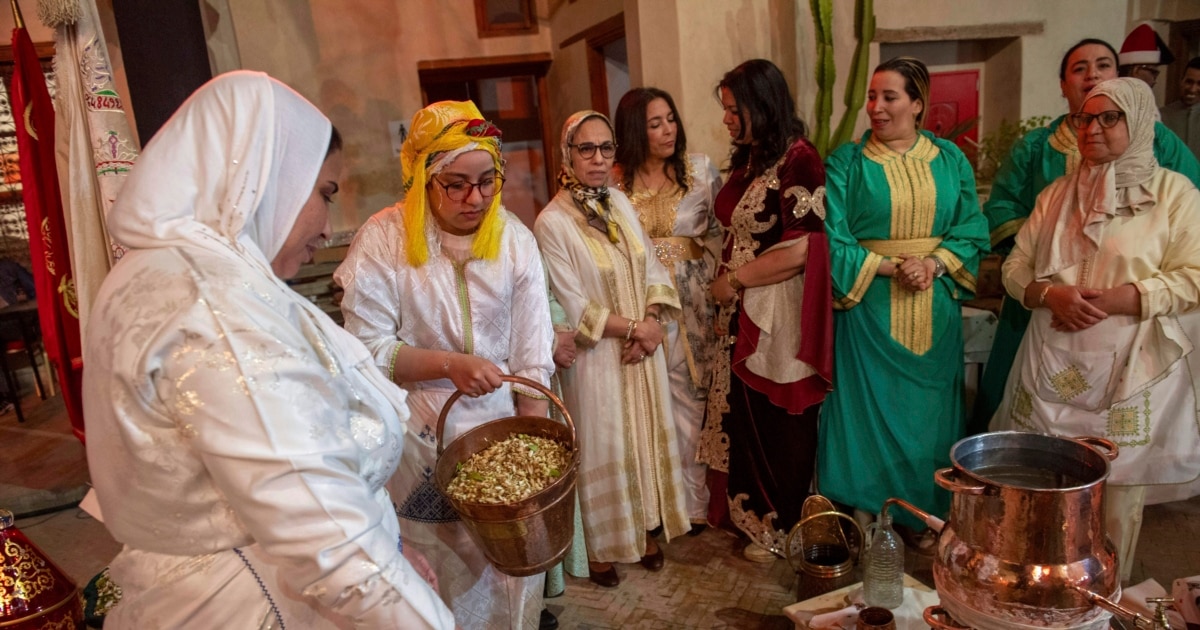
One of the most evocative cultural highlights of the season is Zahria, the Orange Blossom Festival, which takes place across Marrakech from late March into April. Recognised as part of Morocco’s intangible cultural heritage, the festival celebrates the centuries-old tradition of orange blossom distillation. Events unfold in iconic locations such as Jemaa el-Fna and the gardens of Arsat Moulay Abdessalam, where the delicate process of extracting orange blossom water is demonstrated by local women who have preserved this knowledge through generations. Beyond its sensory appeal, Zahria reflects a deeper cultural continuity, linking craftsmanship, ritual and community identity.

Further details on Moroccan cultural events are available via: https://www.visitmorocco.com
Marrakech also asserts its position on the global sporting stage each spring with the ATP 250 Marrakech tournament, officially known as the Grand Prix Hassan II. Held at the Royal Tennis Club de Marrakech, this is the only ATP Tour event on the African continent. Played on red clay, the tournament forms part of the prestigious European clay court swing leading to Roland Garros, attracting an international field of players refining their form ahead of the Grand Slam season. Beyond the matches themselves, the event reflects Morocco’s growing influence in international sport, supported by strong national investment and a commitment to developing tennis across Africa.
More information can be found at: https://www.atptour.com
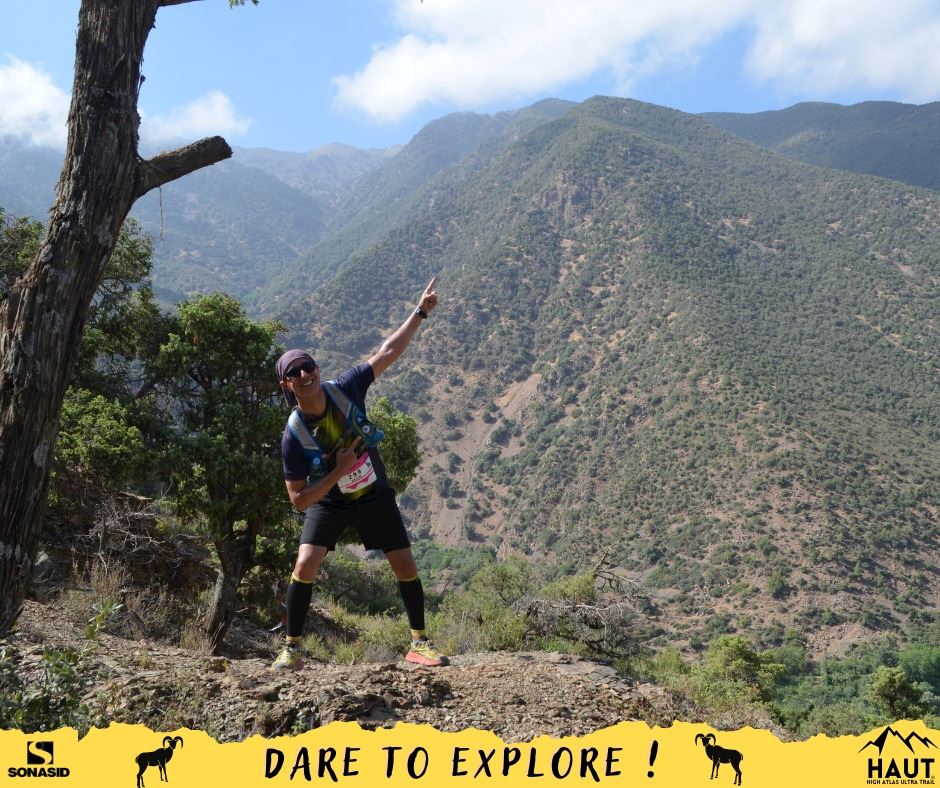
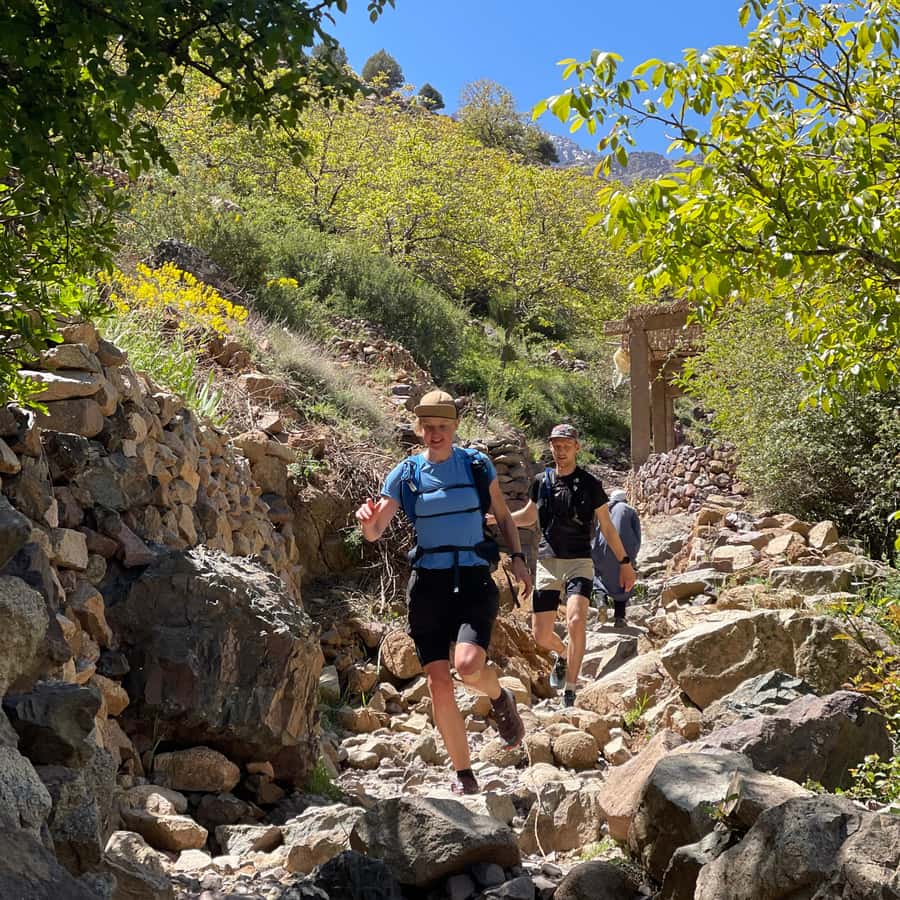
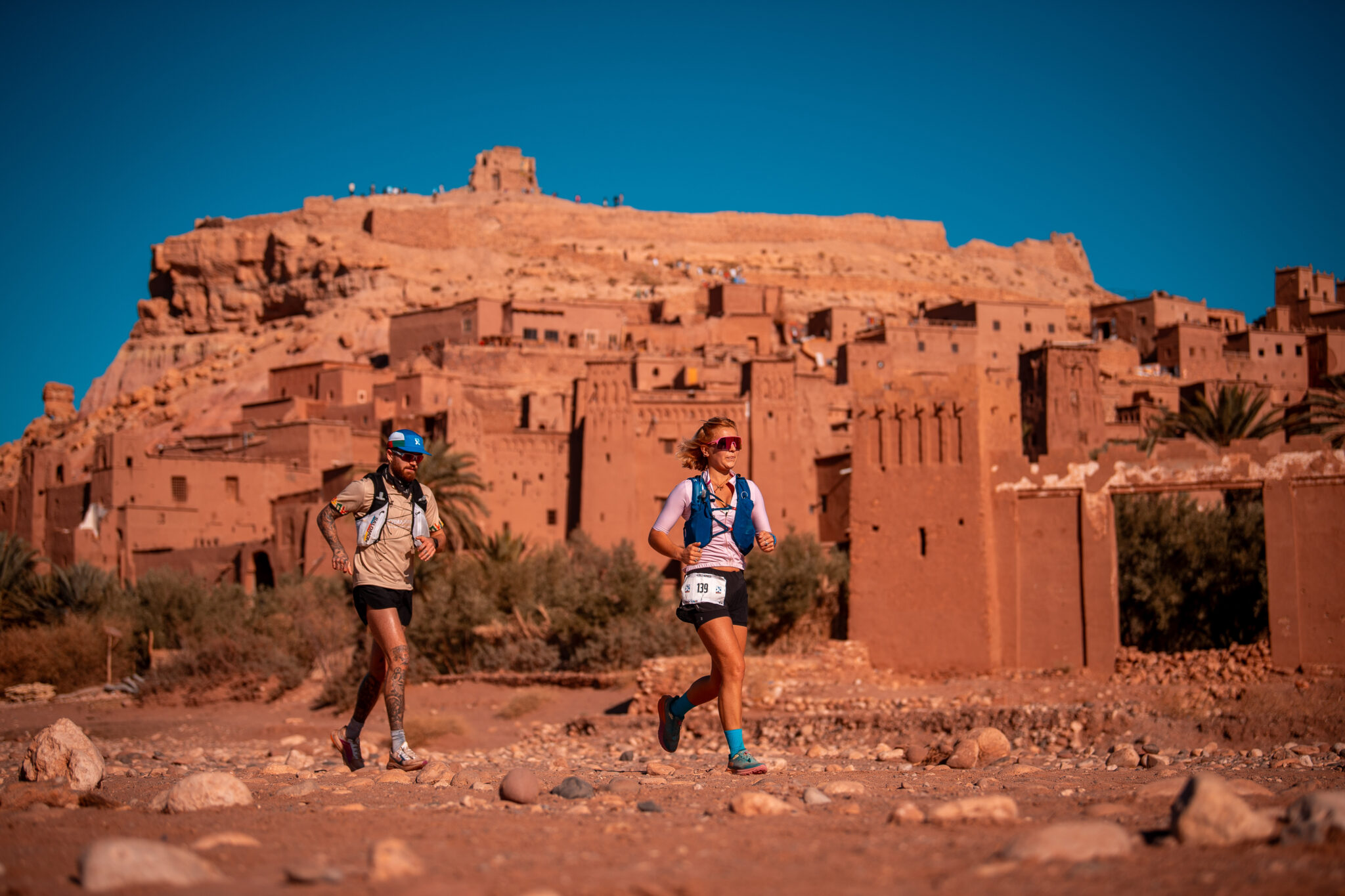
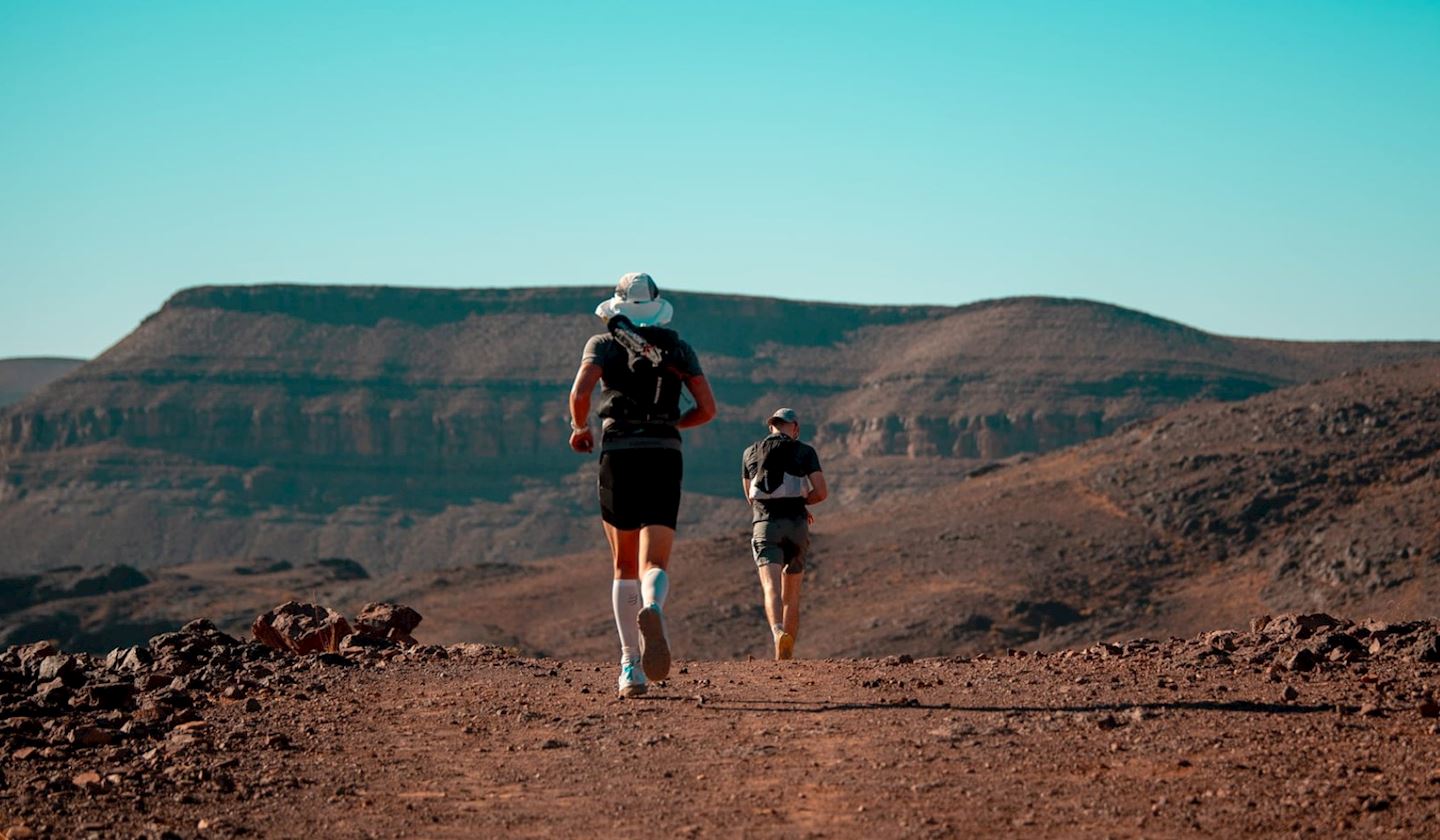
For those drawn to adventure, the High Atlas Ultra Trail offers a dramatically different perspective on Morocco. Taking place in the foothills and valleys of the High Atlas Mountains, this endurance race challenges participants across distances of up to 120 kilometres. Starting points such as Imlil and Ouirgane introduce runners to landscapes of striking natural beauty, from rugged peaks and cascading waterfalls to remote Berber villages. The event has grown in international profile in recent years, attracting athletes seeking both physical challenge and cultural immersion in what is often referred to as the “roof of North Africa.”
Marrakech’s cultural calendar extends beyond tradition and sport into the literary world with the FLAM African Book Festival. This international gathering brings together writers, thinkers and artists from across Africa and its global diaspora. With themes centred on imagination, identity and future narratives, the festival positions Marrakech as a meeting point for intellectual exchange. Authors such as Yanick Lahens and Patrick Chamoiseau are among those contributing to a programme that explores literature as a tool for reflection and transformation.
More information about the festival can be found at: https://flamfest.com
Beyond the city, spring offers an invitation to explore Morocco’s diverse landscapes. In the Valley of Roses, near Kelaat M’Gouna, the annual Rose Festival marks the blooming of Persian rose fields that stretch across the region in vibrant shades of pink. While located several hours from Marrakech, the journey itself becomes part of the experience, offering access to one of Morocco’s most photogenic and culturally rich regions. The harvest, which can reach up to 1,000 tons of flowers each year, supports a thriving local industry producing rose water, essential oils and traditional beauty products.


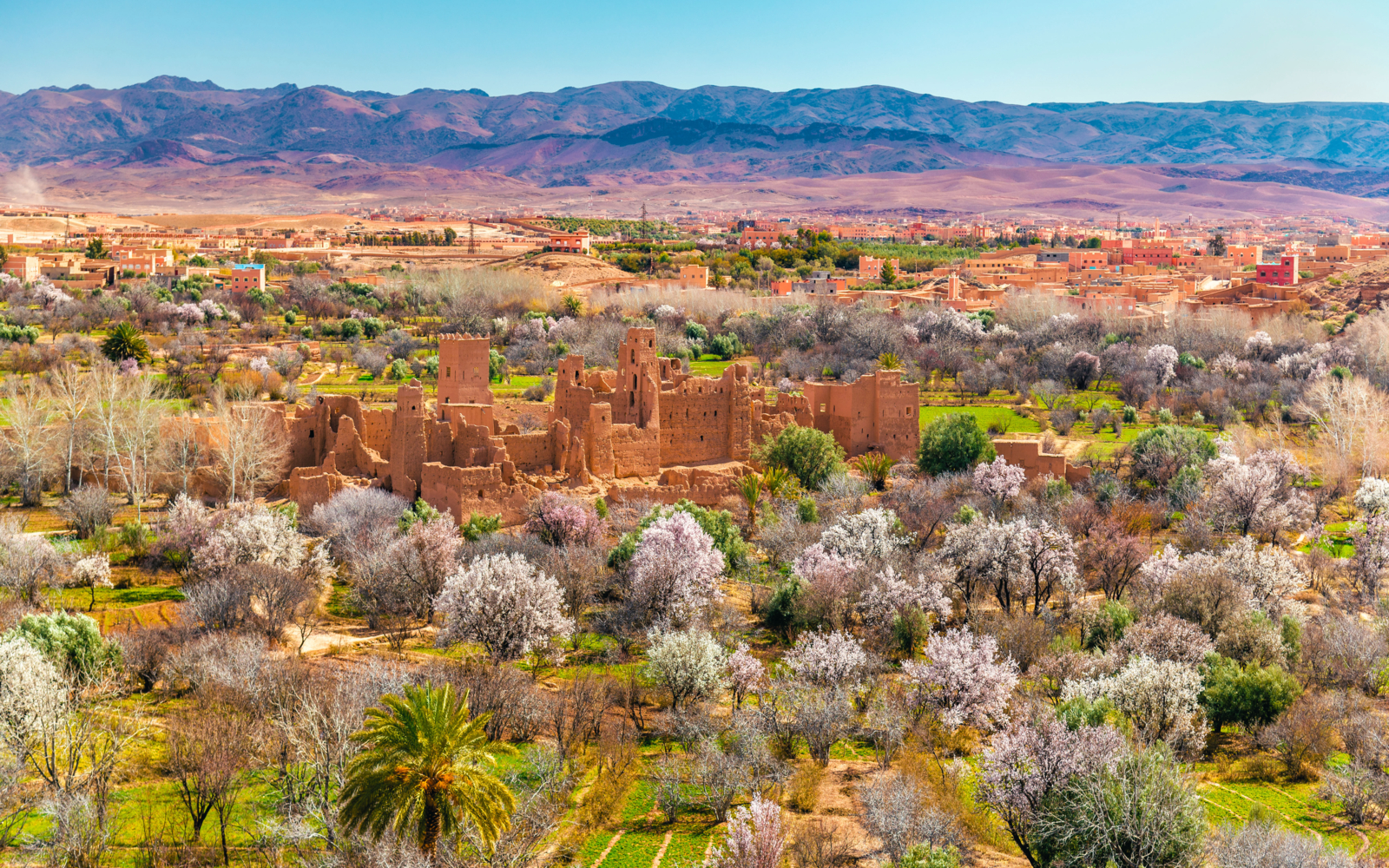
Fashion also takes centre stage during Caftan Week, one of Morocco’s most prestigious cultural events. Hosted in Marrakech, the event celebrates the caftan, an iconic garment that has evolved over centuries while retaining its cultural significance. Designers reinterpret traditional forms through contemporary lenses, showcasing craftsmanship rooted in the heritage of the Atlas Mountains. The 2026 edition, themed “Nefès El Atlas,” highlights the enduring influence of the region’s landscapes and artisanal traditions on Moroccan fashion.
Further information is available at: https://www.caftanweek.com
What emerges from Marrakech in spring is not a single narrative, but a tapestry of experiences. The city moves fluidly between past and present, offering visitors the chance to engage with living traditions while participating in global cultural and sporting events. From the scent of orange blossoms in historic gardens to the energy of international festivals and the silence of mountain trails, Marrakech reveals itself as a destination of depth and diversity.
For travellers, media and cultural observers, spring is not simply a season in Marrakech. It is a moment when the city’s identity is most vividly expressed, inviting exploration, participation and discovery at every turn.
For tailored experiences and local insights, Dar Darma concierge services can be contacted directly at: info@dardarma.com