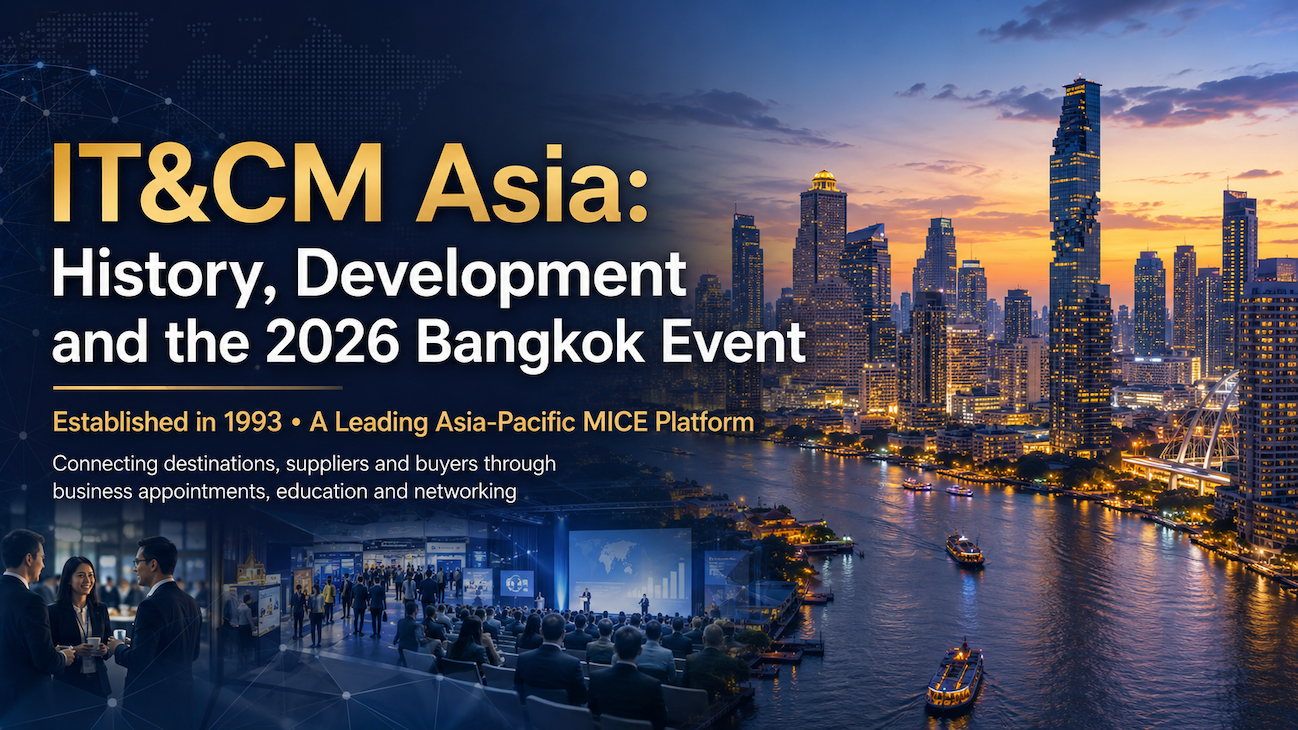
Established in 1993, IT&CM Asia has developed into one of the main annual business platforms for the meetings, incentives, conventions and exhibitions sector in Asia-Pacific. The event connects destinations and industry suppliers with buyers who plan meetings, incentive programmes, conferences, exhibitions and corporate travel. It also provides education, professional development and structured networking.
Widely known as IT&CMA, an abbreviation of Incentive Travel & Conventions, Meetings Asia. Its public name is now normally written as IT&CM Asia. Since 2004, it has taken place alongside Corporate Travel World Asia-Pacific, usually shortened to CTW Asia-Pacific or CTW APAC. The organisers describe the combined programme as Asia-Pacific’s only double-bill event in MICE and corporate travel. Although meetings and business travel overlap, they involve different budgets, policies, suppliers and decision-making processes. IT&CM Asia primarily serves the business events market. CTW Asia-Pacific focuses on the management of corporate travel and travel and entertainment expenditure. By running together, the two events give delegates access to both sectors during one visit.
IT&CM Asia and CTW Asia-Pacific return to Bangkok from 22–24 September 2026. They are the 34th IT&CM Asia edition and the 29th CTW Asia-Pacific edition respectively. The three-day event will take place at Centara Grand and Bangkok Convention Centre at CentralWorld.
The Beginning of IT&CM Asia
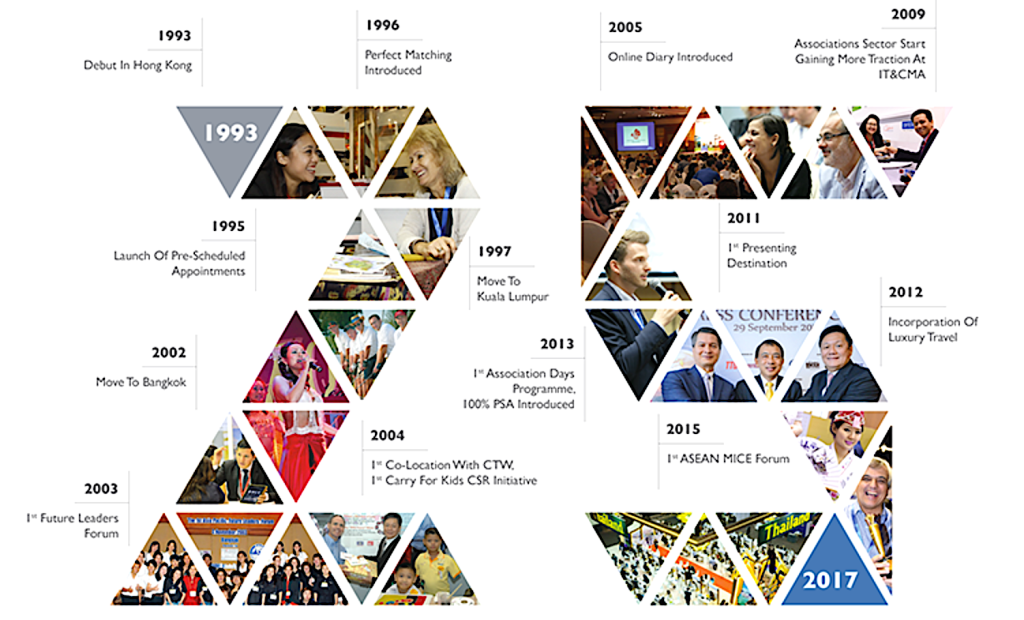
IT&CM Asia began in Hong Kong in 1993. At that time, many Asia-Pacific destinations were expanding their tourism infrastructure and international air links. Governments, tourism organisations and private companies were also placing greater value on meetings, congresses, exhibitions and incentive travel. The new event provided a specialist marketplace for this developing sector. It allowed destinations, hotels, venues and destination management companies to present their products directly to planners. Buyers could compare several countries and suppliers within a single business trip. This appointment-led structure distinguished the event from a general tourism exhibition.
Hong Kong hosted IT&CM Asia from 1993 to 1996. The event then moved to Kuala Lumpur, where it operated from 1997 to 2001. These early locations reflected the growing role of major Asian gateway cities in the international meetings market.
In 2002, IT&CM Asia moved to Bangkok. The Thai capital became its long-term base, apart from the 2005 and 2006 editions, which took place in Pattaya. Bangkok offered strong regional air connections, a substantial hotel supply, large convention facilities and an established visitor economy. It also gave international buyers direct access to Thailand’s expanding business events industry.
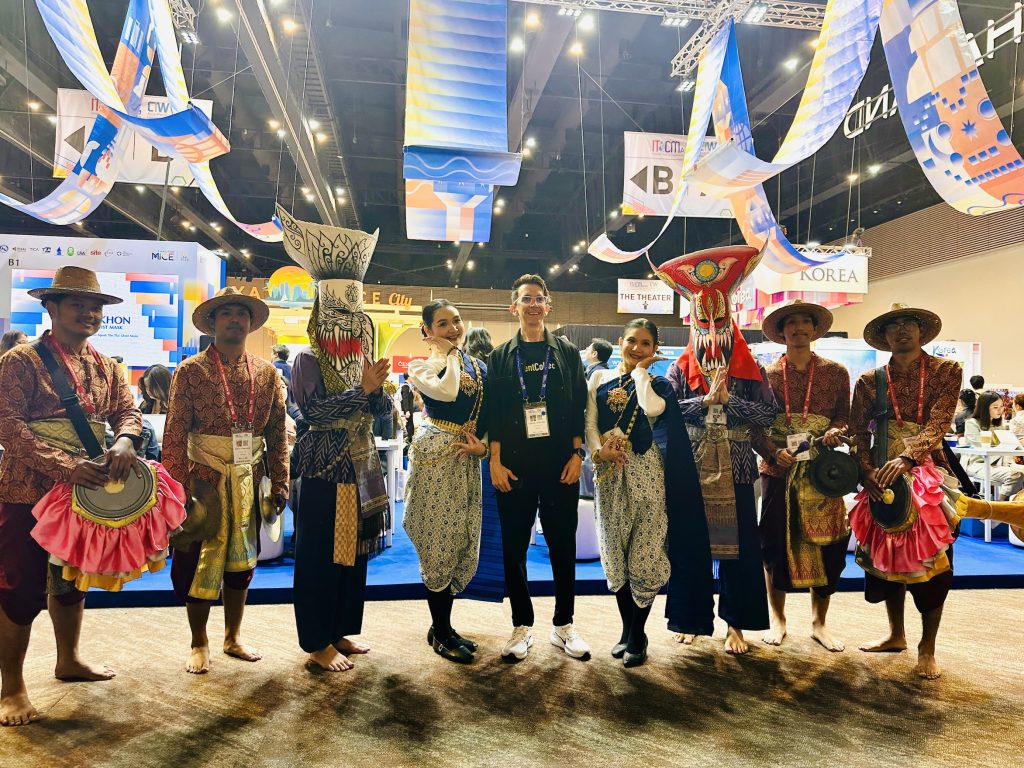
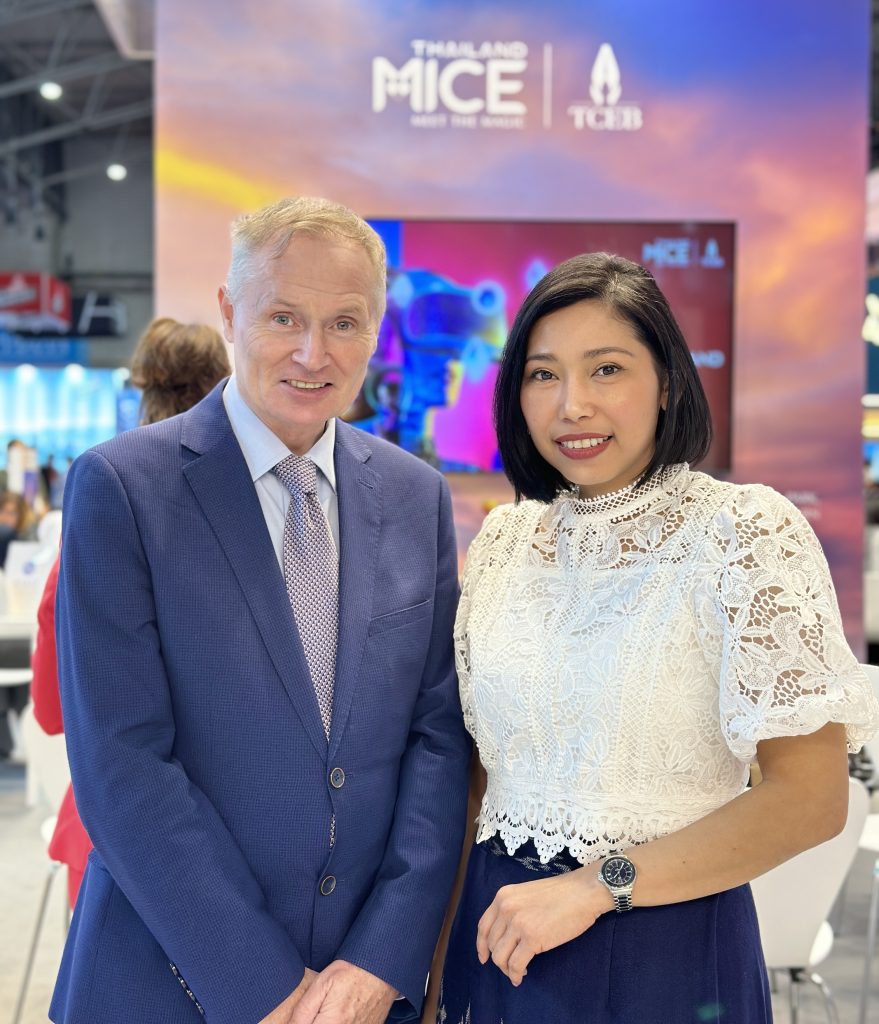
The Thailand Convention and Exhibition Bureau, known as TCEB, became a long-term strategic destination partner. In 2017, TCEB recorded that it had supported and hosted the event for 15 years. By 2025, the partnership had continued for more than two decades. That relationship has served both the event and the host destination. IT&CM Asia brings qualified planners and decision-makers to Thailand. Meanwhile, Thailand uses the exhibition, education sessions, networking functions and familiarisation programmes to demonstrate its event capabilities. Bangkok is the main host city, but Thai exhibitors also promote destinations such as Chiang Mai, Pattaya, Phuket, Khon Kaen and other established or developing MICE locations.
IT&CM Asia has been organised by the same media and events group since its establishment in 1993. TTG Events, the events division of TTG Asia Media, describes itself as the founder and organiser of the Incentive Travel & Conventions, Meetings event series. TTG created IT&CMA and has remained responsible for its development throughout its history.
TTG Asia Media was established in 1974 as a specialist travel trade publishing company serving the Asia-Pacific region. Over time, it expanded beyond publishing into international exhibitions, conferences and business networking events. Its experience in travel trade journalism gave the company an established network of destinations, tourism organisations, hotels, airlines, meeting planners and other industry professionals. TTG Events used this network to launch IT&CMA in Hong Kong in 1993 as a specialist marketplace for the developing Asia-Pacific meetings, incentives, conventions and exhibitions sector.
The group later expanded its corporate travel activities by launching Corporate Travel World Asia-Pacific in 1998. TTG Events owns and manages the CTW event series, which focuses on corporate travel policies, procurement, expenditure management and business travel services. In 2004, the organiser began running CTW Asia-Pacific alongside IT&CMA. This created the combined MICE and corporate travel format that continues today.
Although the organiser has remained consistent, the event has worked with different host destinations, government agencies and industry associations. IT&CMA began in Hong Kong, moved to Kuala Lumpur and later established Bangkok as its long-term base. The Thailand Convention and Exhibition Bureau has served as a strategic destination partner for more than two decades, but it is not the event owner or organiser. TTG Events continues to manage the exhibition, buyer selection, appointment programme, conference sessions, marketing, media activities and official networking programme.
The Launch of CTW Asia-Pacific
Corporate Travel World Asia-Pacific launched in 1998. Its purpose was to support better travel and entertainment management among corporate travel professionals in the region. The delegate profile included travel managers, procurement specialists, finance representatives, corporate planners and executives responsible for company travel.
Corporate travel management was becoming more structured during this period. Large companies wanted better control of airline, hotel and ground-transport spending. They also needed policies covering traveller safety, approvals, reporting, preferred suppliers and service standards. Technology later added online booking, data analysis, automated expenses and traveller tracking to this work.
CTW Asia-Pacific created a conference and marketplace around those responsibilities. It connected corporate travel buyers with airlines, hotel groups, travel management companies, payment providers, technology firms and other specialist suppliers. Education sessions addressed the operational and financial questions faced by travel managers.
IT&CM Asia and CTW Asia-Pacific began co-locating in 2004. This decision created the combined format that remains in place. MICE buyers gained wider access to airlines, hotels and travel technology. Corporate travel managers could also examine meetings and group-travel products. Suppliers gained access to distinct buyer groups without attending two separate events. However, the two programmes retained separate areas of emphasis. IT&CM Asia continued to focus on meetings, incentives, conferences, exhibitions and association events. CTW Asia-Pacific concentrated on managed travel, procurement, policy and corporate mobility. The common exhibition and networking programme created opportunities for both groups to meet.
Development of the Event Format
The core commercial model has remained consistent. Suppliers exhibit, qualified buyers attend, and the organisers arrange appointments between both sides. However, IT&CM Asia has expanded well beyond a schedule of meetings on an exhibition floor.
The modern programme combines pre-scheduled appointments, walk-in meetings, education sessions, keynote discussions, association content, destination presentations, networking functions and familiarisation activities. Exhibitors can also use brand showcases, hosted functions and specialist zones to reach selected delegates. Pre-scheduled appointments remain central because they give each meeting a defined business purpose. Buyers submit information about their purchasing interests, geographical priorities and future projects. Exhibitors identify the profiles they want to meet. The matching process then creates an appointment schedule before the event. Walk-in meetings allow both sides to add contacts during the show.
This format helps buyers use their time efficiently. A planner sourcing a conference destination can meet several convention bureaux, venues, hotels and local operators in one day. An incentive specialist can compare programmes across different countries. A corporate travel manager can discuss airline agreements, accommodation, technology and traveller services with several suppliers.
Education has also become a larger part of the event. Industry associations, consultants, academics and business leaders contribute research, case studies and practical guidance. Topics have included event design, destination development, sustainability, technology, association management, corporate travel policy, risk, incentive travel and changing buyer expectations.
The programme has developed specialist content for important market segments. Association executives require different information from incentive planners or corporate travel managers. They may need guidance on congress bidding, governance, membership, legacy, sponsorship and long-term destination partnerships. IT&CM Asia has therefore worked with organisations representing the international association and professional congress sectors.
The event has also supported professional development for students and younger industry members. Earlier editions included the Future Leaders Forum, delivered with international industry partners. Such programmes connected students with experienced meetings professionals and introduced possible careers in business events.
In 2012, IT&CM Asia formally incorporated luxury travel. The decision reflected the relationship between high-value leisure products and incentive travel. Luxury hotels, cruises, specialist operators and exclusive experiences are often used in reward programmes, executive meetings and premium corporate events.
Cruise tourism also became more visible. Cruise lines offer accommodation, dining, transport, entertainment and meeting space within one product. These features can suit incentives, charters and selected corporate groups. IT&CM Asia developed cruise-related exhibition and conference content before making the sector a specific focus again in 2026.
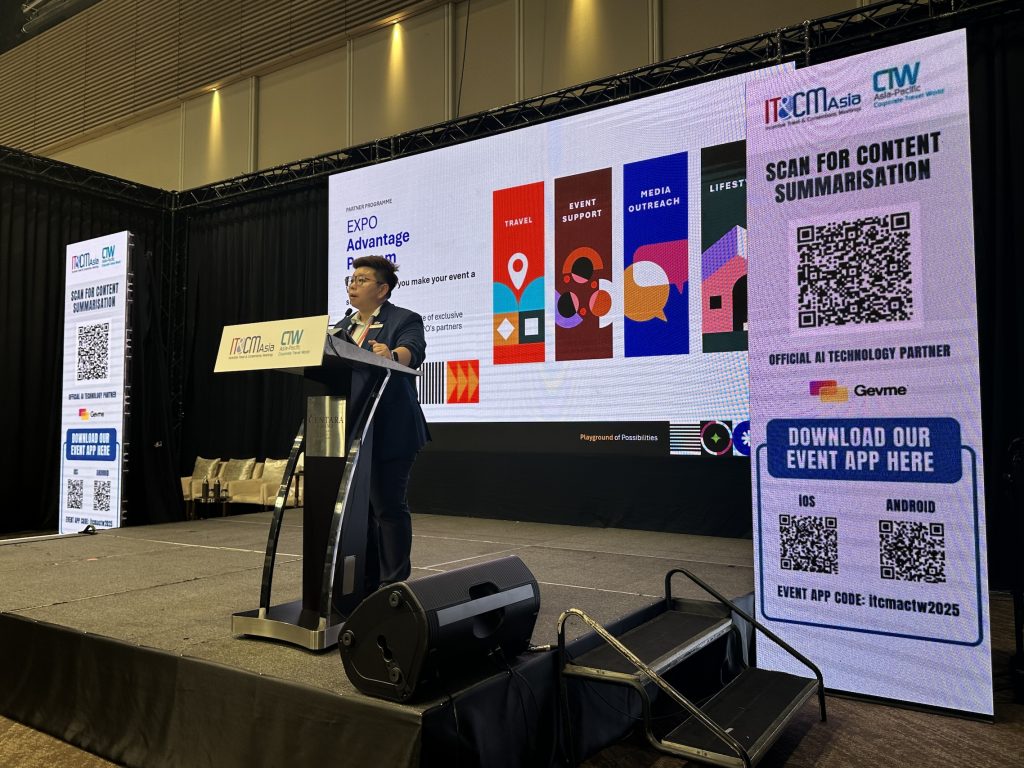
Networking formats have changed as well. Official receptions and hosted meals remain useful, but recent editions have added smaller peer meetings, themed lunches, interactive activities and technology-supported engagement. In 2024, for example, the event introduced exhibition-floor gamification and digital tools for session summaries, live questions, polls and audience feedback. The 2025 edition included dedicated technology, engagement, sea and air areas.
These additions do not replace appointments. Instead, they provide more ways to start a conversation, demonstrate a service or continue a discussion outside a formal meeting slot.
Scale and International Reach
IT&CM Asia grew as Asia-Pacific expanded its convention venues, hotel inventory, airline networks and destination marketing organisations. National and city convention bureaux became more active. Private suppliers also developed products specifically for meetings and incentives.
The event’s media and publishing links have also helped maintain its reach. TTG Events operates within TTG Asia Media, which publishes travel trade and MICE coverage. Show dailies, interviews, photographs and partner media reports document announcements during each edition. This distribution gives exhibitors and speakers an audience beyond registered delegates, while preserving a record of programme changes and priorities.
By its 25th edition in 2017, the event had established a broad regional and international network. The 2018 show welcomed about 3,000 delegates, including more than 500 hosted buyers from over 50 countries and territories. Attendees included suppliers, buyers, association executives, corporate travel professionals and media.
Attendance patterns changed after the pandemic. However, the event retained an international audience. The 2024 edition expected more than 1,000 delegates. In 2025, organisers again projected more than 1,000 participants from over 50 countries.
Delegate totals are only one measure of a trade event. Buyer quality, purchasing authority, future business and appointment completion also matter. IT&CM Asia therefore uses an application and validation process for hosted buyers. Exhibitors want meetings with people who influence or make purchasing decisions, rather than general visitors without defined projects.
For 2026, a TCEB participation notice states that suppliers joining the Thailand delegation can access a pool of more than 400 qualified international buyers. The notice also offers participating organisations up to 24 pre-scheduled appointments, depending on their package.
Moving Online During the Pandemic
The COVID-19 pandemic stopped the normal international gathering in Bangkok. Instead of cancelling its market and education role, IT&CM Asia and CTW Asia-Pacific moved online.
The 2020 edition became a five-day virtual event from 16–20 November. It offered a virtual exhibition, scheduled meetings, presentations, seminars and recorded content. More than 100 exhibitors participated in the online programme. The platform also allowed delegates to review sessions after their original broadcast.
The 2021 event again operated virtually, this time from 28–30 September. Buyers and suppliers used scheduled video meetings, digital exhibition tools and online education. Although virtual meetings could not fully reproduce an exhibition floor, they maintained industry contact while border restrictions remained in force.
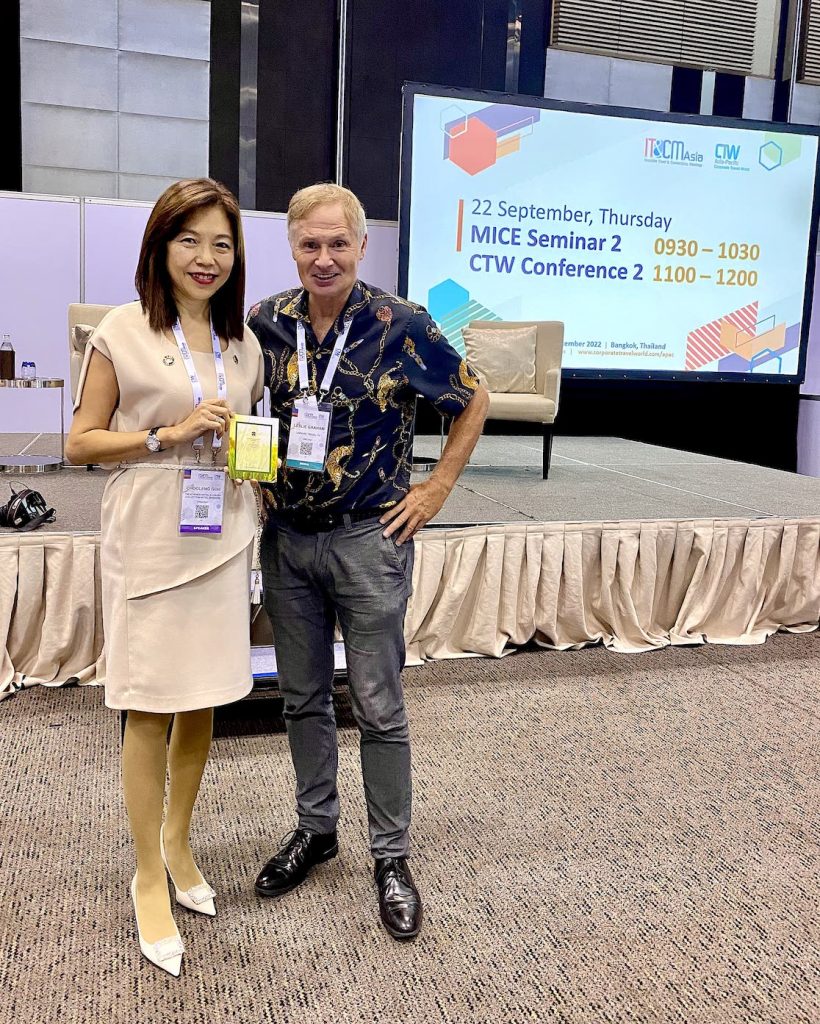
In 2022, the event returned to Bangkok for its 30th IT&CM Asia and 25th CTW Asia-Pacific editions. It used a hybrid format. The in-person show ran from 20–22 September, while the online element continued from 20–28 September. Delegates could use physical appointments, virtual meetings, streaming and a three-dimensional online exhibition.
The 2023 edition restored the three-day in-person format. Later editions retained several digital practices developed during the pandemic. These included event apps, electronic matchmaking, digital content, audience-engagement systems and data-supported networking. Therefore, the pandemic changed the delivery tools, even after the physical marketplace returned.
Who Exhibits at IT&CM Asia?
The exhibition represents the supply chain required to deliver meetings, incentives, conventions, exhibitions and corporate travel. National tourism organisations and convention bureaux promote countries, cities and regions. They provide destination information, bid support, local contacts and details of available assistance.
Convention centres, exhibition halls and specialist venues present their facilities. Hotels and resorts promote guest rooms, meeting space, dining and group services. Destination management companies develop local programmes, transport, activities and operational support. Professional conference organisers provide planning, registration, production and delegate-management services.
Airlines, airports, cruise lines and transport operators address access and group movement. Travel management companies support corporate programmes. Technology suppliers offer registration, event management, data, payment, communication and audience-engagement systems.
Other exhibitors include attraction operators, restaurants, team-building specialists, audio-visual suppliers, production companies and firms providing event services. This range allows buyers to source both a destination and the individual components needed to deliver a programme.
Although Asia-Pacific is the main focus, participation is not limited to the region. International destinations and suppliers use the event to reach Asian buyers. Meanwhile, Asia-Pacific exhibitors meet buyers handling regional, long-haul and global business.
Who Attends as a Buyer?
IT&CM Asia serves three main buyer groups: MICE planners, association buyers and corporate buyers. Each group has different purchasing priorities.
MICE buyers include meeting planners, incentive travel specialists, event agencies, tour operators, destination management companies and professional conference organisers. They may source venues and services for a confirmed event or research options for future proposals.
Association buyers include executives and planners from professional bodies, trade associations, societies and membership organisations. Their events often rotate between destinations and may require bids several years in advance. They examine venue capacity, accessibility, local expertise, financial support and the potential benefits for members.
Corporate buyers include travel managers, procurement managers, executive assistants, meeting managers and staff responsible for company travel or events. Some manage transient business travel, while others oversee conferences, sales meetings, training, incentives and executive programmes. Many handle both.
The event also attracts trade visitors, speakers, industry association representatives, government officials, academics, journalists and specialist media. Media coverage extends exhibitor announcements, destination news and conference discussions beyond the delegates in Bangkok.
Why Bangkok Remains the Event’s Base
Bangkok combines air access, accommodation, convention infrastructure and a large tourism-services sector. Suvarnabhumi and Don Mueang airports connect the city with markets across Asia-Pacific and other regions. The city also has hotels and venues across several price and capacity levels.
The Bangkok Convention Centre at CentralWorld sits within a central hotel, retail and transport district. Delegates can use the Centara Grand hotel and the adjoining convention centre without moving between separate sites. The location also gives access to other hotels, restaurants, shopping areas and the BTS Skytrain.
For Thailand, the event is both an international marketplace and a live destination presentation. Buyers can inspect facilities, experience local services and meet Thai suppliers. Pre-event and post-event activities can introduce other districts or destinations. This is particularly relevant because event planners often assess operational details that cannot be fully evaluated through brochures or online meetings.
IT&CM Asia and CTW Asia-Pacific 2026
The 2026 event takes place from Tuesday 22 September to Thursday 24 September. Registration is open for exhibitors, buyers, media and trade visitors. Buyers seeking hosted participation must meet the organisers’ qualification requirements. Media accreditation and hosted benefits are also subject to approval.
Business appointments, exhibition access, presentations, education and networking will run across the three days. The organisers have expanded the conference programme through collaborations with professional associations and corporate travel organisations.
The Global MICE Collaborative Certificate Session returns after its introduction in 2025. The Global MICE Collaborative brings together the International Association of Exhibitions and Events, Meeting Professionals International and the Society for Incentive Travel Excellence. The session will cover the MICE ecosystem and the core skills involved in planning conferences, exhibitions and incentive programmes.
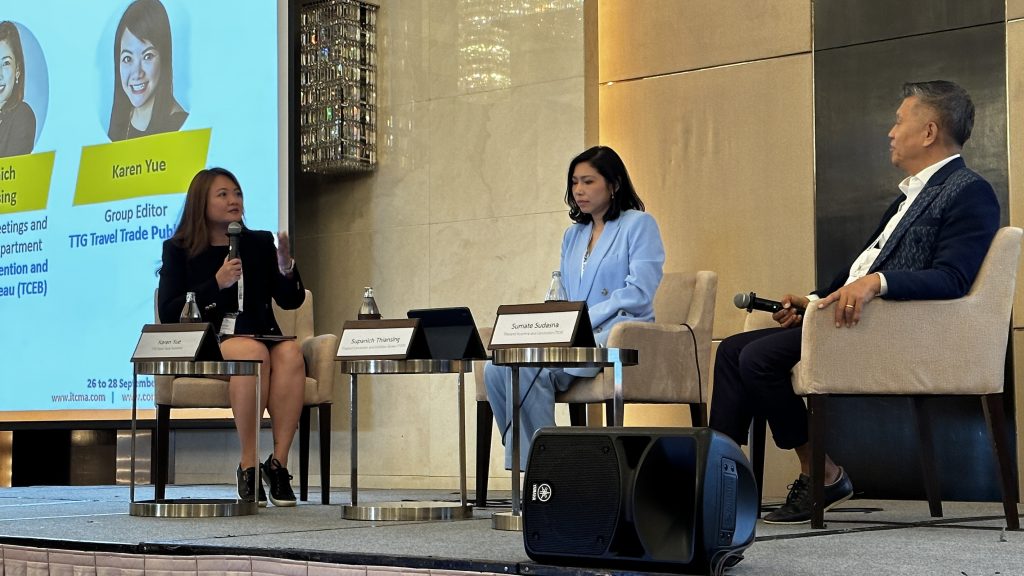
A new panel, “Cruising into MICE: Innovative Event Solutions at Sea”, will examine cruise ships, expedition vessels and charter products as event settings. Jan Basson of National Geographic-Lindblad Expeditions, Diana Bloss of Worldwide Cruise Associates and Matthew Boutwell of Crystal/Abercrombie & Kent MICE are due to participate. Karen Yue, Group Editor of TTG Asia Media, will moderate the discussion.
The opening keynote panel, “The Magic of Meetings & Corporate Travel”, will examine the value of face-to-face meetings and the factors that influence travel and destination choices. Announced contributors include Dr Bongkosh Rittichainuwat of Siam University, Ric Gazarian of the Extraordinary Travel Festival, Rajeev Kohli of Creative Travel India and Wisutthisak Machchacheep of Trip.Biz Thailand. David Barrett will moderate.
CTW Asia-Pacific will continue its collaboration with the Global Business Travel Association. The expanded corporate travel programme will include dedicated CTW content, focused spin-off sessions and the CTW Hub. This area will connect travel buyers, suppliers and industry specialists for business discussions and peer exchange.
The first announced exhibitors include Business Events Perth, Singapore EXPO and Visit Almaty. Further destination, venue, hotel, transport and technology participants are expected as the organisers complete the exhibition line-up.
Hosted buyers and accredited media can apply for one of two Bangkok culinary pre-tours. The Blue Elephant programme includes a Thai cooking class, dinner and a certificate. The Lost Plate evening food tour visits local food locations and includes Thai street-food tastings. Places are limited, so participation requires advance confirmation.
The official hotel partners are Amari Bangkok, Pullman Bangkok King Power, Renaissance Bangkok Ratchaprasong Hotel and voco Bangkok Surawong by IHG. The event accommodation page lists delegate offers and conditions. Eligible registered attendees may receive accommodation support, subject to validation and the terms of their participation category.
Thai Airways is the partner airline for 2026. It is offering registered attendees discounted Business Class and Economy Class fares under the event arrangement. Delegates should check the official travel page for booking rules, eligible routes and current conditions before purchasing flights.
TCEB is the destination partner. The official venue is Centara Grand and Bangkok Convention Centre at CentralWorld. Supporting organisations include Airports of Thailand, Bangkok Metropolitan Administration, Tourism Authority of Thailand, Tourism Council of Thailand and Thailand Incentive and Convention Association. EventsAir is the technology partner. The Global MICE Collaborative, IAEE, MPI and SITE support the thought-leadership programme, while GBTA works with CTW Asia-Pacific.
Event Information
Event: IT&CM Asia and CTW Asia-Pacific 2026
Dates: 22–24 September 2026
Venue: Centara Grand and Bangkok Convention Centre at CentralWorld
City: Bangkok, Thailand
Organiser: TTG Events, a business group of TTG Asia Media
Registration: Exhibitor, buyer, media and trade-visitor categories
Official website: www.itcma.com
Register: www.itcma.com/register
A Continuing Role in Asia-Pacific Business Events
IT&CM Asia has changed considerably since its first edition in Hong Kong. It moved between major Asian business centres, established a long-term base in Thailand, added a corporate travel event, incorporated specialist sectors and adopted digital delivery when international travel stopped. However, its basic purpose remains consistent. It brings buyers and suppliers together to discuss specific business, compare products and develop working relationships. Education and networking support that marketplace, while the Bangkok setting allows Thailand to demonstrate its business events capacity directly.
The 2026 programme shows the next stage of that development. Professional certification, cruise-based events, corporate travel management, technology and destination experiences now sit alongside the established appointment schedule. For planners, suppliers, association executives and travel managers, the event provides a concentrated view of the Asia-Pacific MICE and corporate travel market.