Africa’s Travel INDABA 2025
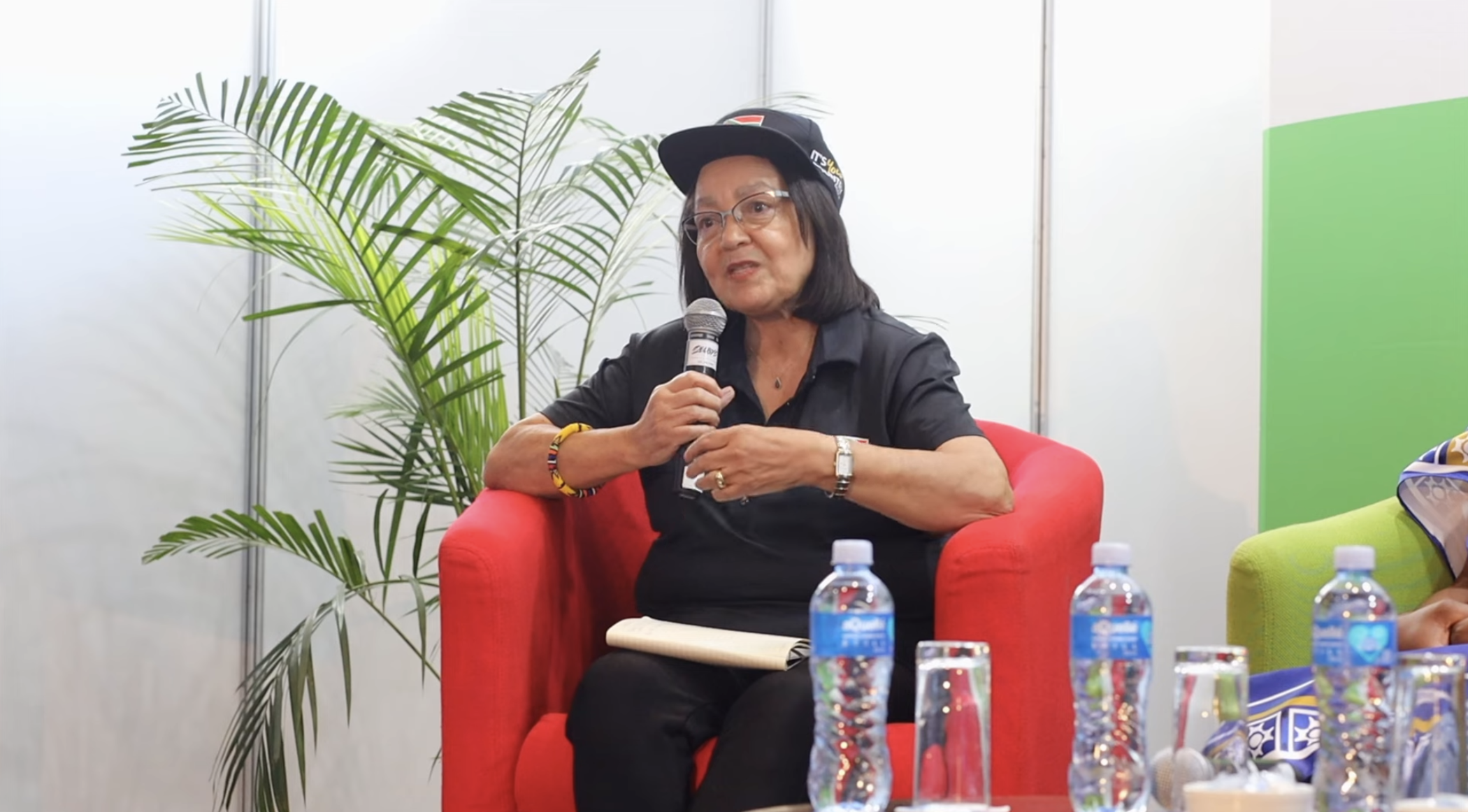
served as a rallying point for tourism leaders across the continent, as ministers and senior officials gathered for the influential African Ministers’ Roundtable on 13 May 2025 at the Inkosi Albert Luthuli International Convention Centre in Durban. Hosted by South Africa’s Minister of Tourism, Patricia de Lille, the session brought together key figures shaping Africa’s tourism strategy, including:
- Rodney Sikumba, Minister of Tourism, Zambia
- Márcio de Jesus Lopes Daniel, Minister of Tourism, Angola
- Sikhumbuzo Dlamini, Minister of Tinkhundla Administration and Development, Eswatini
- Fredson Bacar, Secretary of State of Tourism, Mozambique
Together, they shared a vision: a united, borderless Africa driven by cooperation, innovation, and shared growth in tourism.
Leslie Graham represented ITTN at the Minister’s Press Conference.
A Platform for Pan-African Progress
As one of the cornerstone events of Africa’s Travel INDABA, the Roundtable provided a critical space to address both challenges and opportunities within the sector. The message from the continent’s tourism leaders was unified and optimistic: Africa is open for business, ready to collaborate, and poised for accelerated growth.
Held in partnership with South African Tourism, the KwaZulu-Natal Tourism and Film Authority, Durban Tourism, and the Durban ICC, Africa’s Travel Indaba remains a vital platform for showcasing Africa’s tourism potential and facilitating valuable connections between buyers and suppliers.
From Competition to Collaboration
The spirit of collaboration was echoed throughout the Roundtable. Eswatini’s Minister Dlamini emphasized that partnerships, not rivalry, are key to success.
“We are not here to compete. We are here to collaborate,” he said, highlighting how Eswatini benefits from cross-border tourism with South Africa.
Zambia’s Minister Sikumba made a strong call for unity across the continent:
“The days of competition are gone. We must support one another and showcase what makes us unique – our culture, our cuisine, our heritage.”
He also announced Zambia’s significant visa reforms, increasing visa-free access from 42 to 167 countries, and encouraged greater investment in open skies and regional air connectivity using established hubs like Johannesburg, Nairobi, and Addis Ababa.
Breaking Down Barriers
Mozambique’s Fredson Bacar reinforced the importance of cross-border partnerships, citing initiatives like the ZIMOZA Transfrontier Park with Zimbabwe and Zambia. He noted that over 70% of Mozambique’s tourists originate from South Africa, further highlighting the value of regional cooperation.
Angola’s Minister Lopes Daniel called for a new era of Pan-African tourism integration:
“Africa’s Travel Indaba is the starting point to dismantle the borders still holding us back.”
He announced strategic partnerships with Zambia and South Africa to develop joint tour packages, and shared Angola’s ambitions to roll out e-visas and e-permits by 2028, alongside the launch of a new national airline aimed at enhancing intra-African connectivity.
Streamlining Travel and Building Skills
Minister Patricia de Lille reiterated South Africa’s commitment to reducing travel barriers. She identified visas and air connectivity as the two major hurdles to tourism growth across Africa.
South Africa plans to introduce a new Electronic Travel Authorisation (ETA) system by year-end, which will simplify visa processing through AI and digital platforms.
Beyond infrastructure, skills development was also on the agenda. Minister de Lille and Minister Sikumba both underscored the importance of preparing young Africans for tourism-related careers. Zambia is already integrating hospitality training into its national education system.
“We must invest in demand-led skills to create meaningful opportunities for our youth,” said Minister de Lille.
A Catalyst for African Tourism
Africa’s Travel Indaba continues to prove it is far more than a trade show. It is a catalyst for change, a launchpad for partnerships, and a symbol of Africa’s collective ambition. The outcomes from the 2025 African Ministers’ Roundtable point toward a stronger, more connected future for the continent—one built on collaboration, innovation, and inclusion.